



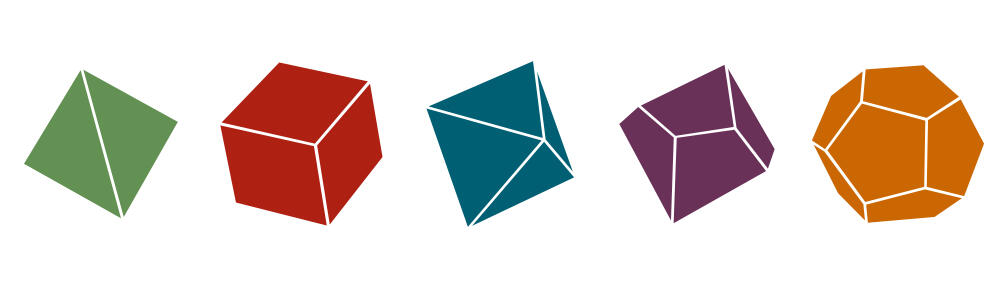
DWORV is a rules-light tabletop role-playing game (TTRPG) designed specifically for nerd-adjacent fans of high fantasy sagas who want to break into the hobby.This game engine strives to be as accessible as possible. Thus, you will find this Google Sheet extraordinarily useful for managing your gameplay. It’s not a bad idea to give the QuestMaster tab a quick glance right now.Unlike the typical pen-and-paper ttrpg, DWORV eschews health points, armor class, and skill modifiers. Everything you need to keep track of is represented by physical dice or nickels. The system urges you to create your own thrilling tales, by focusing on dramatic character choices instead of arithmetic. Keep your head in the clouds, not in the rulebook.
Before we continue, let’s establish Rule Zero: You have the final say in everything, including the rules. If a rule displeases you, banish it.“I’ve never played a tabletop role-playing game…”
Playing a tabletop role-playing game is similar to telling a story, but with a couple of rules and randomizers (dice & coins) to keep things unpredictable. Think of it as gamified daydreaming.So what happens when you play? How does it start? When does it end? How do you interact with creatures or people or a door? Frankly, your party talk to each other.DWORV works with as a soloplay vehicle, as well, so perhaps you’re talking to yourself, or journaling.In group situations, one friend plays as the Quest Master (QM) and makes up the non-player characters (NPCs) and the other friends control the Heroes. You’ll be improvising scenes and characters. But the intention with DWORV is to let your imagination venture forth.


History of the Continent Known as KurtyaTwo Thousand Years before the birth of Loran’s horse, the humans lived in Rumeria, the trolls (orcs/goblins/etc) lived in Gundur, and the dwarfs ruled supreme over Kurtya. They were all neighborly, for the most part. Trade was good, but borders were strong.There was a conflict. The Oderlind clan, one of the Three Great Clans (Kestor, Oderlind, Fargen) began following the practices of Soogee Mabron, a radical shaman who had been drowned in a tempest and then ‘walked the seafloor back to Kurtya to deliver her message.’ She’d seen a vision of the apocalypse, an explosion on the east horizon that drained the sea, and a pestilence that decimated the dwarfs all across the world.Opponents of the Oderlind, and some of their own cousins, claimed that Cheif Bultho Oderlind had gone mad, seduced by the Faerie-blooded Soogee. Bultho had been aggressively introducing Rumey (human) immigrants and culture into his lands. He was convinced that the only way to protect dwarfs from the oncoming apocalypse was to expose them to foreign cuisine and medicine.In so doing, the foreigners brought their diseases and the Oderlind clan suffered severe casualties over a ten-year period. Copperjon Opporholt, the father of Hollup Opporholt, Bultho Oderlind’s greatest general, led an insurrection when his son and most of his son’s soldiers and family were killed by the Rumey pox.The Oderlind suffered a swift and vicious defeat in the civil war. Instead of coming to their aid, the Fargen and Kestor used the crisis to expand their lands. The Merzingtolen betrayed the Oderlind at the Battle of Eberfeld by remaining in their camp when the Opporholt attacked the Oderlind.The remaining Oderlind, once great dwarfs, were kept as prisoners in the Big Mountain (what we call Opporholt Mountain) underground, working in slave camps. However, these are dwarf slave camps for dwarf, so conditions are not terrible. They are certainly not free to go, but they live pretty well. The rumeirans and galdans that had emigrated to Kurtya on the invitation of Bultho Oderlind were also enslaved. Their treatment was far worse. The trolls were used for heavy labor and the humans, weak by all dwarf standards, were discoverd to be master carpenters.800 years pass...